
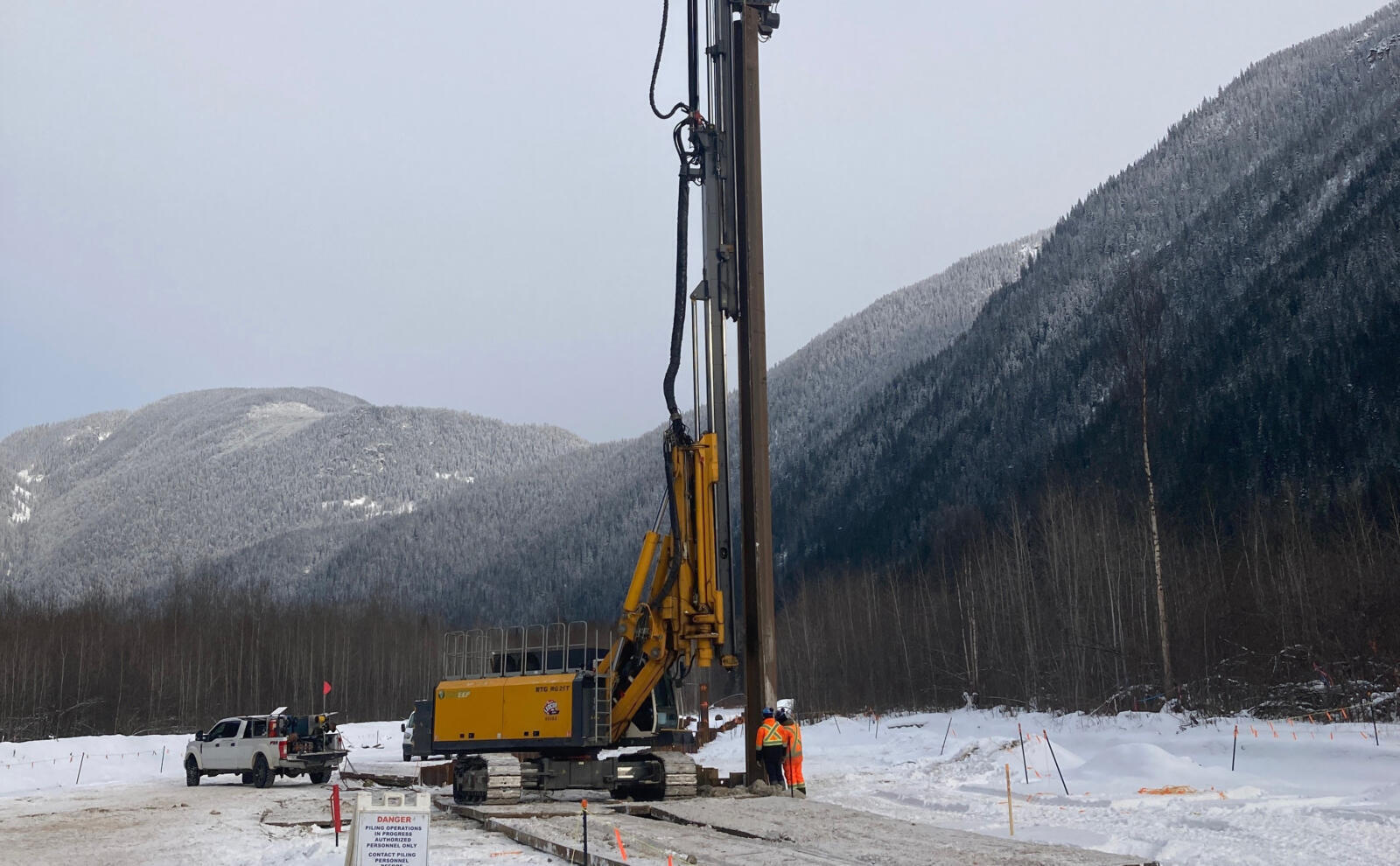
Every hour that a foundation drill rig or pile driving hammer sits idle can result in more than just lost production. Delays ripple across the jobsite, crews wait for equipment to return to service, schedules tighten, and project costs begin to climb.
While many equipment failures appear sudden, the reality is that a large percentage can be traced back to routine maintenance that was delayed, overlooked, or rushed. According to Chris Horne, Director of Service for ECA Canada, keeping foundation equipment operating at its best isn't about complicated procedures. It's about consistently taking care of the basics.
Whether you're operating a drilling rig, pile driving equipment, or another specialized foundation machine, daily maintenance remains one of the most effective ways to maximize uptime and protect your investment.
Foundation Equipment Operates in Some of the Toughest Conditions
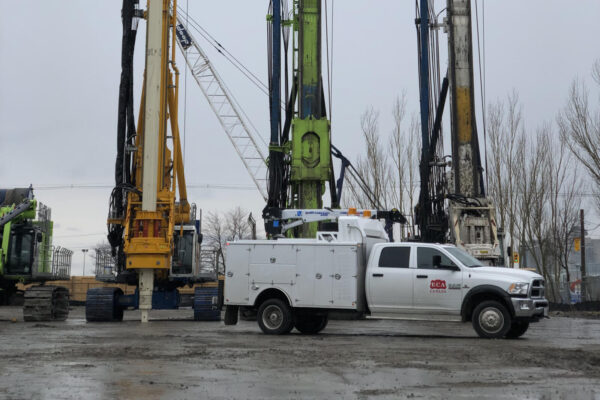
Unlike many other types of construction equipment, foundation machines work in environments that accelerate wear.
Hydraulic systems are constantly exposed to dirt, dust, slurry, water, concrete, and abrasive materials. Electrical components face rain, vibration, and extreme temperatures. Wire ropes, tooling, and structural components are subjected to tremendous loads every day.
"It's the electrical," Horne says when discussing common service issues. "The environment that the machines live in is incredibly demanding. They're constantly exposed to rain, concrete, dirt, and other harsh conditions. Without regular cleaning and preventive maintenance, those conditions inevitably take their toll."
For drill rigs, common issues often include hydraulic leaks, worn seals, contaminated hydraulic systems, and wire rope wear. Pile driving equipment experiences many of the same maintenance concerns, but repeated vibration and impact also place significant stress on the base machine and structural components.
These aren't necessarily signs of poor equipment. They're simply the realities of working in demanding foundation applications.
Small Maintenance Tasks Prevent Major Repairs
One of the biggest misconceptions contractors make is assuming equipment maintenance requires major service intervals to make a difference.
In reality, many costly failures begin as small problems that go unnoticed.
A minor hydraulic leak can become a major repair if left unattended. Dirt entering a hydraulic system can contaminate expensive components. A neglected wire rope can become a safety concern. Even something as simple as inadequate greasing accelerates wear across pins, bushings, bearings, and rotating components.
Horne summarizes it simply:
"If you had to generalize both, it's daily maintenance, leaks, and grease. Make sure you grease your machines and take care of them."
These routine inspections take only a few minutes each day, but they often identify issues before they become expensive repairs or unexpected downtime.
The Operator's Manual Is Still One of the Best Tools You Own
In an era of advanced electronics, telematics, and diagnostic software, Horne believes one of the most valuable maintenance resources is still the one that ships with every machine.
"Read the operation manual. The amount of information that is in there can save you endless amount of dollars if you just follow your daily maintenance, do your routine checks," he says. "Don't just get in there and hit a checkbox. Get on the machine. Grease it, clean it, and read the manual."
It's advice that's easy to overlook, particularly for experienced operators who have spent years around similar equipment.
However, every manufacturer specifies maintenance intervals, inspection procedures, lubricant requirements, and service recommendations designed specifically for that machine. Following those guidelines helps maximize reliability while extending component life.
Daily Maintenance Is About More Than Checking Boxes
Preventive maintenance should never become a paperwork exercise.
Instead of simply completing inspection forms, operators should use their daily walkaround to actively look for developing problems.
Some of the most important items include:
- Checking hydraulic hoses and fittings for leaks
- Inspecting wire ropes for wear or damage
- Looking for loose hardware or structural cracks
- Cleaning dirt and debris from critical components
- Verifying proper grease levels at all lubrication points
- Monitoring fluid levels and contamination
- Watching for warning lights or unusual machine behavior
Many issues can be corrected immediately before they affect production.
Specialized Equipment Deserves Specialized Support
Even with excellent maintenance practices, every machine eventually requires professional service.
Foundation equipment is highly specialized, and repairs often demand technicians who understand not only the machine itself but also the application it performs.
For contractors operating large fleets or high-production projects, Horne recommends taking that support one step further.
"If you can get yourself a resident tech, we can help ensure your equipment stays up to date and operating at its best," he says.
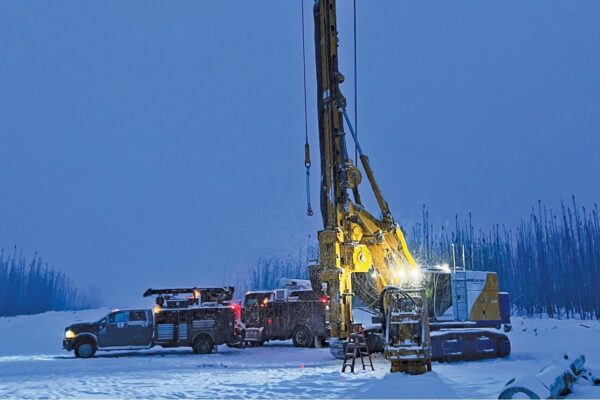
A resident service technician is a technician assigned to work directly at a contractor’s facility or jobsite for an extended period rather than being dispatched only when a repair is needed. The technician becomes familiar with the contractor’s equipment, operating conditions and maintenance history, allowing them to perform routine inspections, preventive maintenance, troubleshooting and repairs before small issues lead to costly downtime.
Having experienced technicians available for scheduled inspections, preventive maintenance, and troubleshooting helps identify potential problems before they interrupt production.
Protecting Productivity Starts Long Before a Breakdown
No contractor wants to make a service call because a machine has failed on an active jobsite.
The most successful fleets treat maintenance as part of production rather than an interruption to it.
Routine inspections, proper lubrication, regular cleaning, and following manufacturer maintenance schedules all contribute to fewer breakdowns, longer equipment life, and lower operating costs.
When combined with experienced service support from technicians who understand the unique demands of foundation construction, those simple habits become one of the most effective ways to keep projects moving and crews productive.
At ECA Canada, preventive maintenance is more than a service offering. It's part of helping contractors maximize equipment performance, minimize downtime, and get the most from every machine in their fleet.